Bio Information
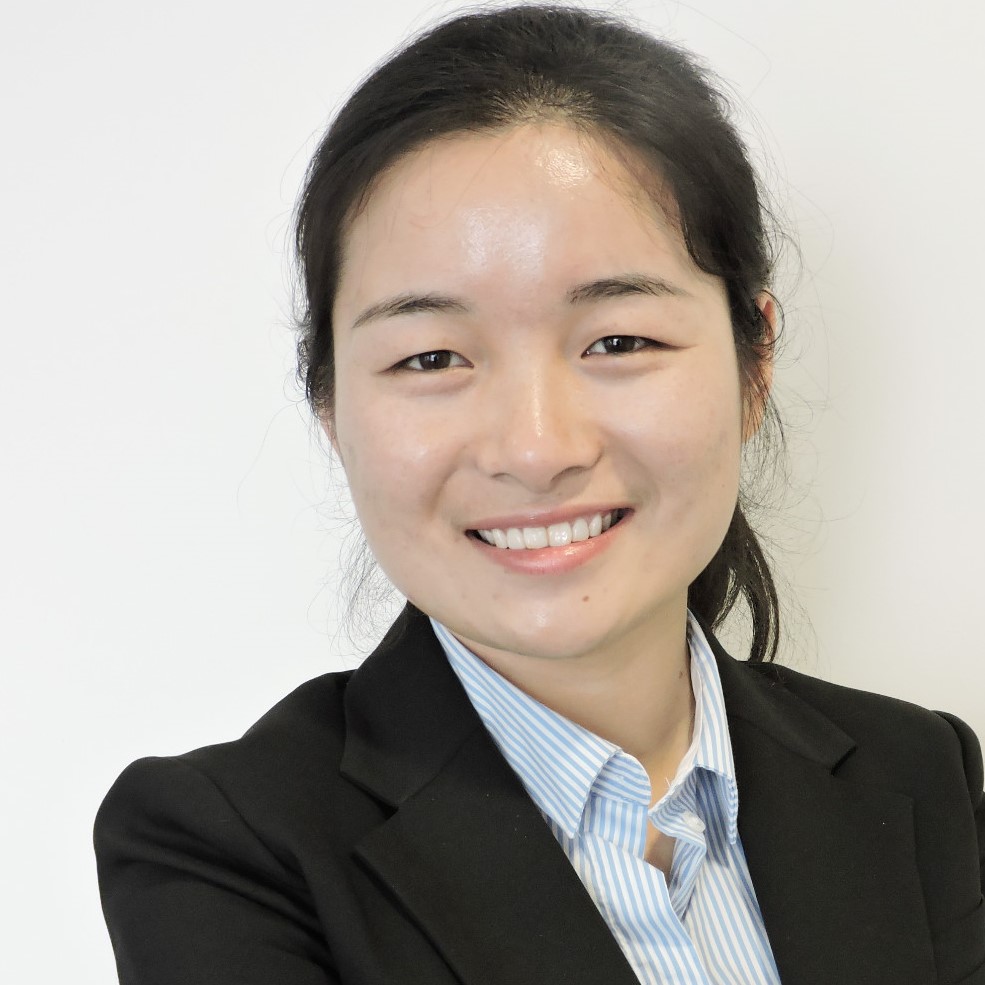
Linmei Shang is a doctoral student in the Institute for Food and Resource Economics (ILR), University of Bonn. She is interested in various modeling methods of agricultural economics, including farm-level optimization, agent-based modeling, and machine learning algorithms.
Video
Ask the Speaker
You can post your questions for the speaker of this talk here until Nov 8. Your questions are visible to all other registered participants of the conference and will be visible together with your username that consists of the beginning of your email address. Participants can “like” your question. Questions with more like are more likely to be discussed during the live Q&A session on November 10, 2020.