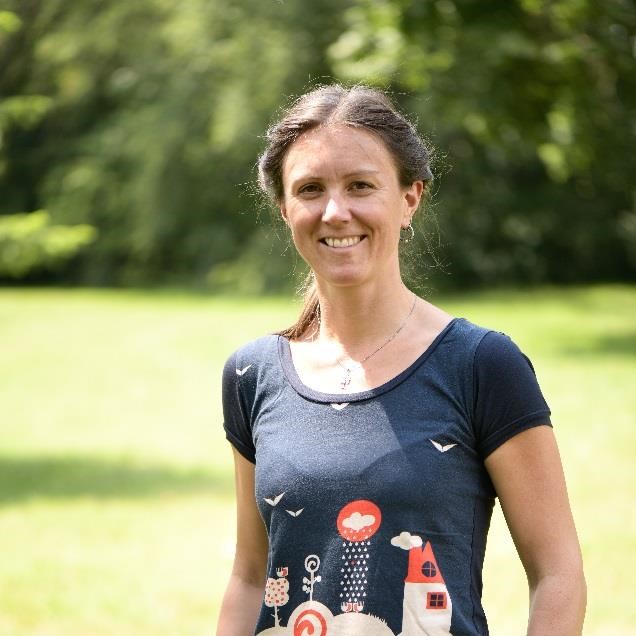
Astrid Junker is the Group Leader ‘Acclimation Dynamics and Phenotyping’ at the Leibniz Institute for Plant Genetics and Crop Plant Research (IPK) since 2018. Before this position she worked as a Scientific coordinator of DPPN and a Postdoc in Bioinformatics & SysBio at the IPK. She received her Ph.D. at the Martin Luther University Halle in 2009.
Her research works on the question: How do plants acclimate to climate-change? an focusses on ‘FAIR phenomicsdata management’.
Video
Ask the Speaker
You can post your questions for the speaker of this talk here until Nov 8. Your questions are visible to all other registered participants of the conference and will be visible together with your username that consists of the beginning of your email address. Participants can “like” your question. Questions with more like are more likely to be discussed during the live Q&A session on November 10, 2020.