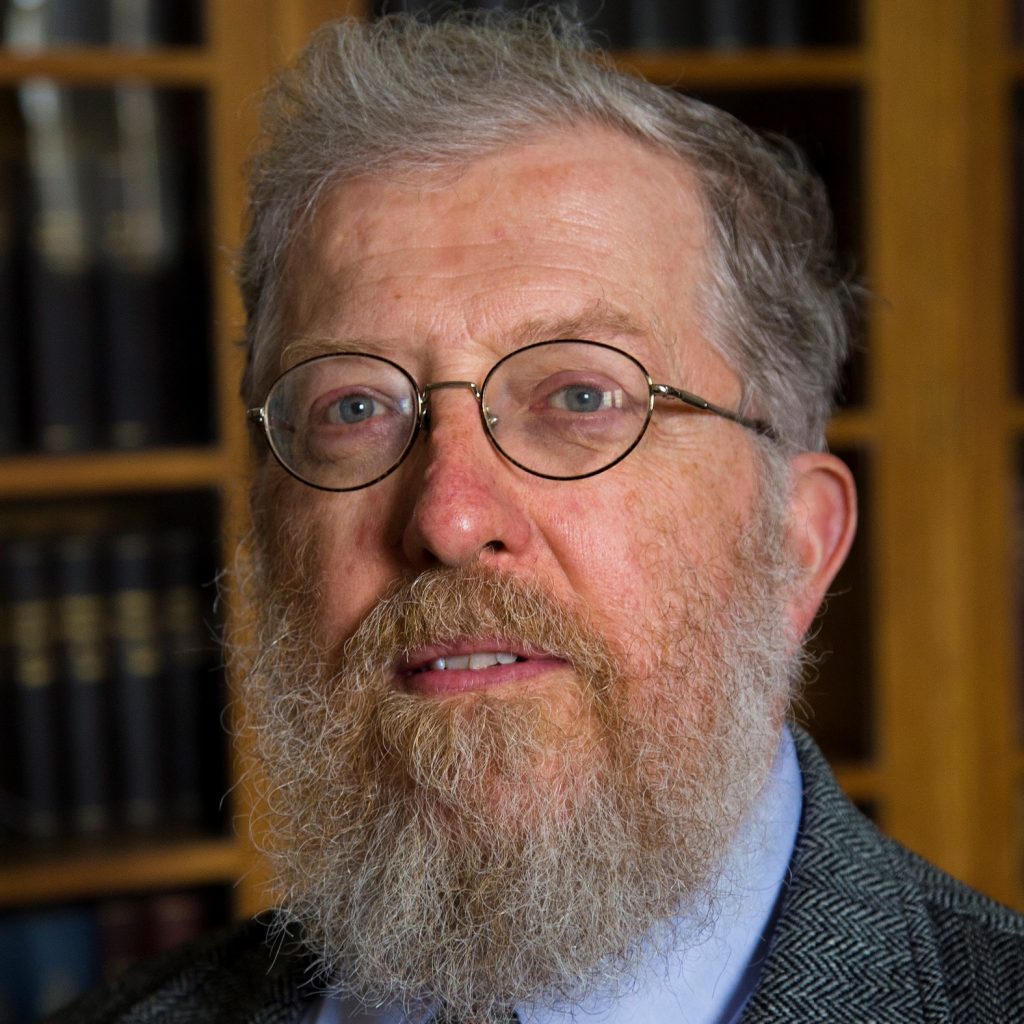
James Lowenberg-DeBoer holds the Elizabeth Creak Chair in Agri-Tech Applied Economics at Harper Adams University (HAU), Newport, Shropshire, UK. He is responsible for economics in the Hands Free Farm (HFF) team at HAU. He is also president of the International Society of Precision Agriculture (ISPA) and co-editor of the journal Precision Agriculture.
His research focuses on the economics of agricultural technology, especially precision agriculture and crop robotics. Lowenberg-DeBoer’s research and outreach is founded in hands-on experience in agriculture, including production of maize and soybeans in NW Iowa in the USA.
Video
Ask the Speaker
You can post your questions for the speaker of this talk here until Nov 8. Your questions are visible to all other registered participants of the conference and will be visible together with your username that consists of the beginning of your email address. Participants can “like” your question. Questions with more like are more likely to be discussed during the live Q&A session on November 10, 2020.