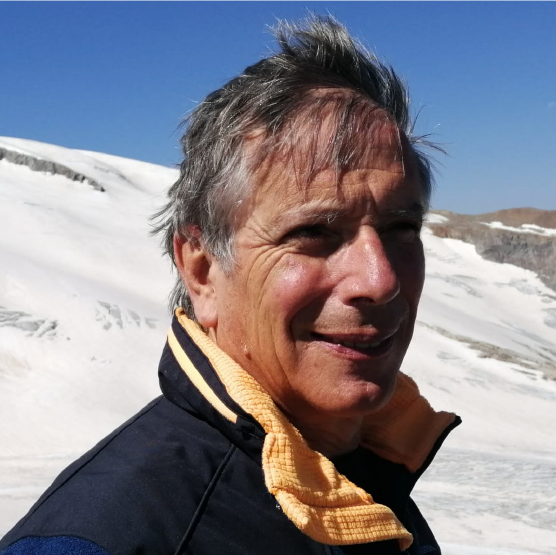
Francois Tardieu is an Ecophysiologist and Research Director at INRA Montpellier (France). His research focuses on the adaptation of genotypes to drought scenarios, including those in 2050, via a combination of phenomics, modelling and genomic prediction. He coordinates the French Phenomic infrastructure and a European project on phenomics. He is invited professor in the Nanjing Agricultural University. He got awards by the French Academy, by the “laurier d’Excellence INRA” and by the Soil Science Society of America.
Video
Ask the Speaker
You can post your questions for the speaker of this talk here until Nov 8. Your questions are visible to all other registered participants of the conference and will be visible together with your username that consists of the beginning of your email address. Participants can “like” your question. Questions with more like are more likely to be discussed during the live Q&A session on November 10, 2020.